
Kerala’s Development Model: Health, Education, and Human Development


Introduction
In discussions on development economics and social policy, the Kerala Model has emerged as one of the most compelling examples of how human development can advance even in regions without extraordinary levels of industrial wealth. The state of Kerala, located on India’s southwestern coast, has consistently demonstrated that investments in healthcare, education, and social welfare can dramatically improve quality of life.
Despite relatively modest per capita income compared to many industrialized regions, Kerala has achieved exceptionally high human development indicators. The state’s life expectancy, literacy rate, gender development indicators, and public health outcomes rival those of many developed countries.
Economists and sociologists often refer to this phenomenon as the Kerala Model of Development, a term popularized in academic research during the late 20th century to describe a development path that prioritizes social investment and equitable distribution of resources.
Historical Foundations of the Kerala Model
The roots of Kerala’s social development lie in a combination of progressive political movements, social reform initiatives, and strong public institutions.
One of the most influential moments in the state’s political history was the election of the world’s first democratically elected communist government in 1957 under E. M. S. Namboodiripad. His government implemented landmark reforms that reshaped Kerala’s social structure.
Key reforms included:
Land redistribution policies that weakened feudal landlord systems
Expansion of public education systems
Development of community-based health services
Strong emphasis on local self-governance
These reforms dramatically reduced social inequality and created a foundation for widespread access to public services.

The Kerala Model of Healthcare
One of the most remarkable achievements of Kerala is its public healthcare system, which has consistently delivered strong outcomes despite limited resources.
Key Characteristics
1. Universal Access to Primary Healthcare
Kerala’s healthcare system prioritizes primary health centres (PHCs) and community health infrastructure. These institutions ensure that even remote villages have access to basic medical care.
2. Preventive Healthcare Culture
Public health campaigns emphasizing vaccination, sanitation, maternal care, and nutrition have played a major role in improving outcomes.
3. Community Participation
Local governance institutions, particularly panchayats, play an important role in monitoring health services and addressing local health challenges.
Outcomes
Kerala has achieved some of the best health indicators in India:
Life expectancy: ~75 years
Infant mortality rate: among the lowest in India
High immunization coverage
Strong maternal healthcare services
During the global crisis of COVID-19, Kerala’s health system gained international attention for its effective contact tracing, decentralized public health response, and community engagement.
Education: The Foundation of Social Development
Education is perhaps the most significant pillar of Kerala’s development model.
Universal Literacy
Kerala achieved near-universal literacy through decades of investment in public education and social movements promoting learning.
One milestone was the Total Literacy Campaign, which mobilized volunteers across the state to teach adults who had previously lacked access to education.
Today Kerala’s literacy rate is above 96%, the highest in India.

Gender Equality in Education
Kerala has achieved remarkable success in female literacy and education. In many areas, female enrollment in higher education exceeds that of males.
This has contributed to:
Lower population growth rates
Improved maternal and child health
Greater workforce participation
Culture of Reading
Libraries, public reading rooms, and newspapers are deeply embedded in Kerala’s social culture, encouraging political awareness and civic engagement.
Human Development Indicators
The Kerala Model emphasizes human development rather than purely economic growth.
Human development indicators measure broader aspects of well-being including health, education, and standard of living. In this context, Kerala consistently performs far above the national average.
According to the United Nations Development Programme methodology used for the Human Development Index, Kerala ranks at the top among Indian states.
Key achievements include:
High life expectancy
Low infant mortality
Near universal literacy
High gender development indicators
These achievements demonstrate that human development can precede economic growth rather than depend solely upon it.

Social Equity and Welfare
Another defining feature of Kerala’s development model is its commitment to social equity.
Public welfare programs include:
Public distribution system (food security)
Strong labor protections
Universal healthcare access
Community-based social programs
The result is lower levels of extreme poverty and social exclusion compared with many regions of similar income levels.
Challenges and Critiques
While widely praised, the Kerala Model also faces several challenges.
Employment and Migration
Limited industrialization has resulted in significant outward migration, particularly to Gulf countries. Remittances from overseas workers play a major role in Kerala’s economy.
Aging Population
High life expectancy combined with lower birth rates has led to rapid population aging, increasing demand for healthcare and social services.
Economic Transformation
Experts argue that Kerala must now transition toward knowledge-based industries, sustainable tourism, and services to complement its strong human development base.

Kerala and Experiential Development Tourism
Kerala’s development achievements have also made it a unique destination for study tours, social research travel, and responsible tourism.
Organizations, academic institutions, and corporate groups increasingly visit Kerala to understand:
Community health systems
Decentralized governance
Sustainable development practices
Social entrepreneurship models
Companies such as ALT DMC specialize in designing curated programs that allow international visitors to explore Kerala not only as a tourist destination but also as a living laboratory of human development and social progress.
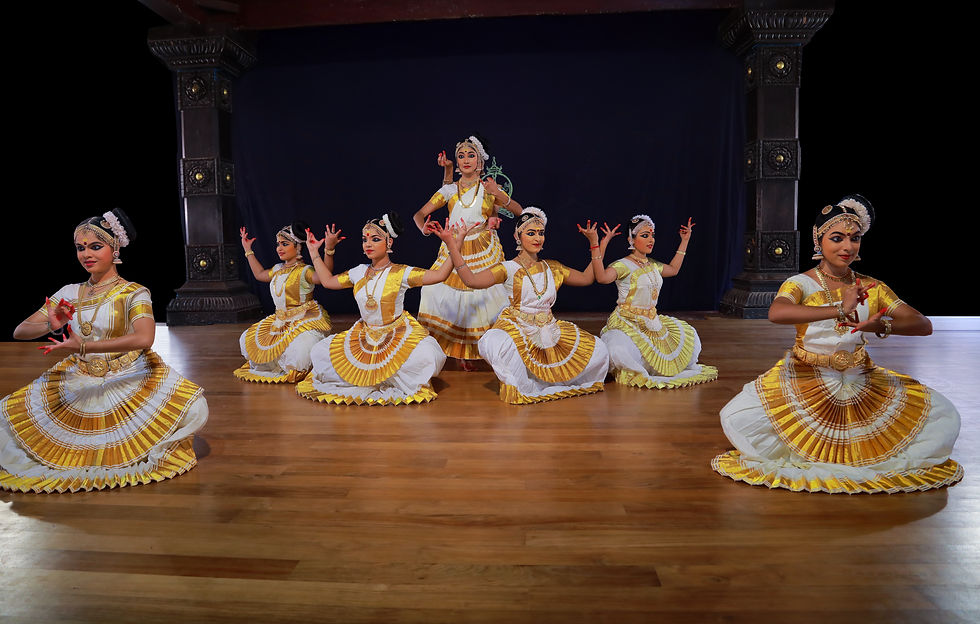
Through field visits, community interactions, and immersive cultural experiences, such programs reveal how Kerala integrates nature, culture, and social welfare into a distinctive model of development.
Conclusion
The Kerala Model stands as a powerful reminder that development is not defined solely by GDP growth but by improvements in human well-being.
Through decades of investment in healthcare, education, and social equality, Kerala has created a society where citizens enjoy higher levels of health, literacy, and dignity than many regions with greater economic wealth.
As the global community searches for sustainable and inclusive development pathways, Kerala continues to offer valuable lessons — demonstrating that prioritizing people can ultimately create stronger and more resilient societies.


Comments